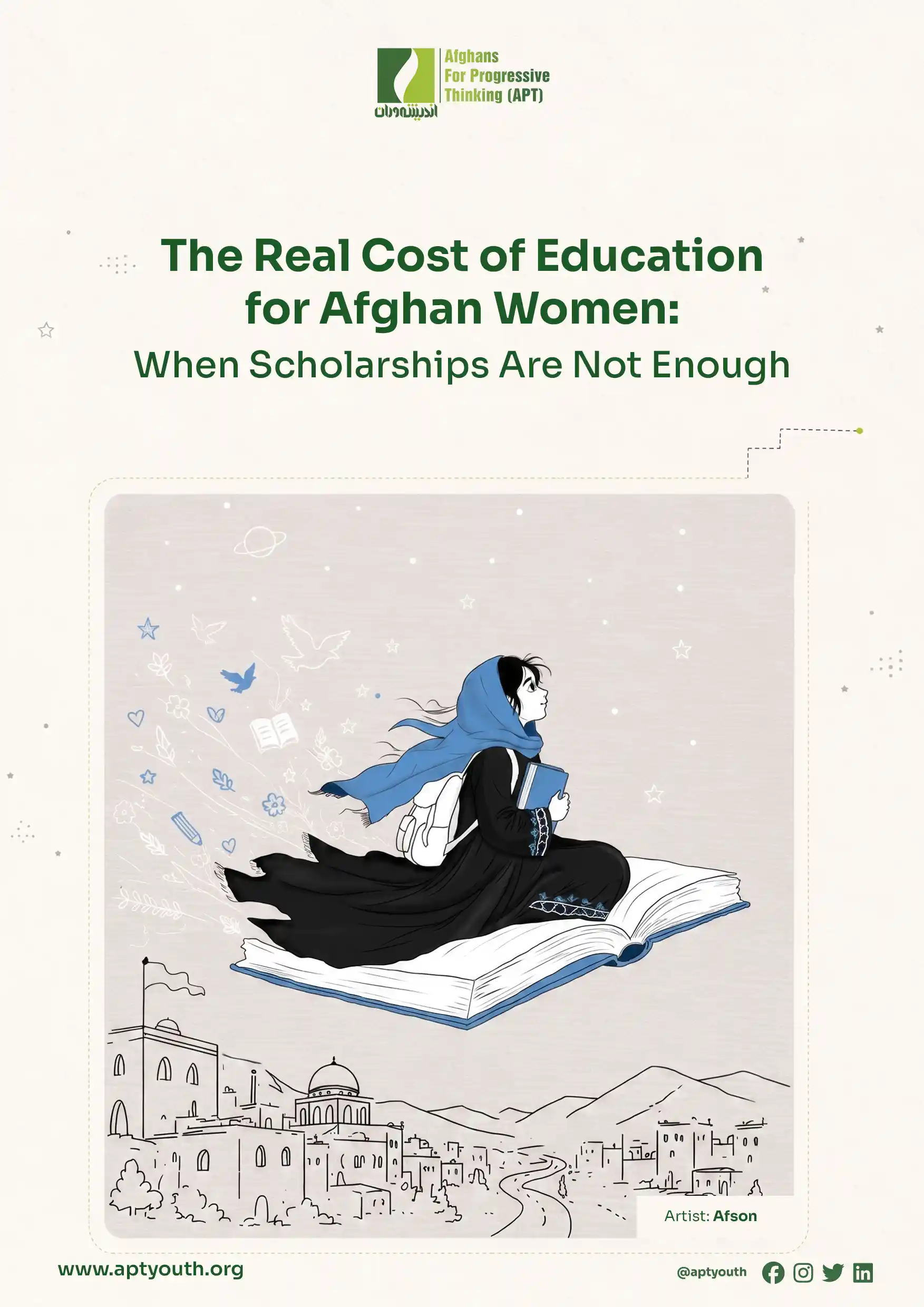
We all see the headlines. It has been more than 1,700 days since Afghan girls were banned from attending secondary school. Today, approximately 2.2 million girls in Afghanistan are denied their fundamental right to education, and the country ranks last (177th) on the Women, Peace, and Security Index.
What the headlines often fail to capture, however, is the severe psychological toll of this exclusion. Stripped of their right to participate in public life, 68-70% of Afghan women now report worsening feelings of anxiety, isolation, and depression and 8% knew another girl who attempted suicide.
Yet, in the shadows of this immense trauma, a quiet but powerful form of resistance has emerged.
I have watched young women achieve what many believed was impossible. When universities closed, they turned their bedrooms and living rooms into digital classrooms. Through learning online, access to e-books, and other forms of self-directed education, they have created new pathways to continue learning. Despite limited internet access, the high cost of data, frequent electricity outages, and the constant fear of surveillance, these women continue to log on to platforms such as WhatsApp, Telegram, Google Meet and Zoom to pursue their education.
They study in secret. They prepare for rigorous English language proficiency tests and apply to dozens of highly competitive universities. Against all odds and after years of unwavering determination, some secure fully funded scholarships to institutions around the world.
You would think that receiving a scholarship is the finish line. Instead, for many young Afghan women, it is often the beginning of a heartbreaking new obstacle.
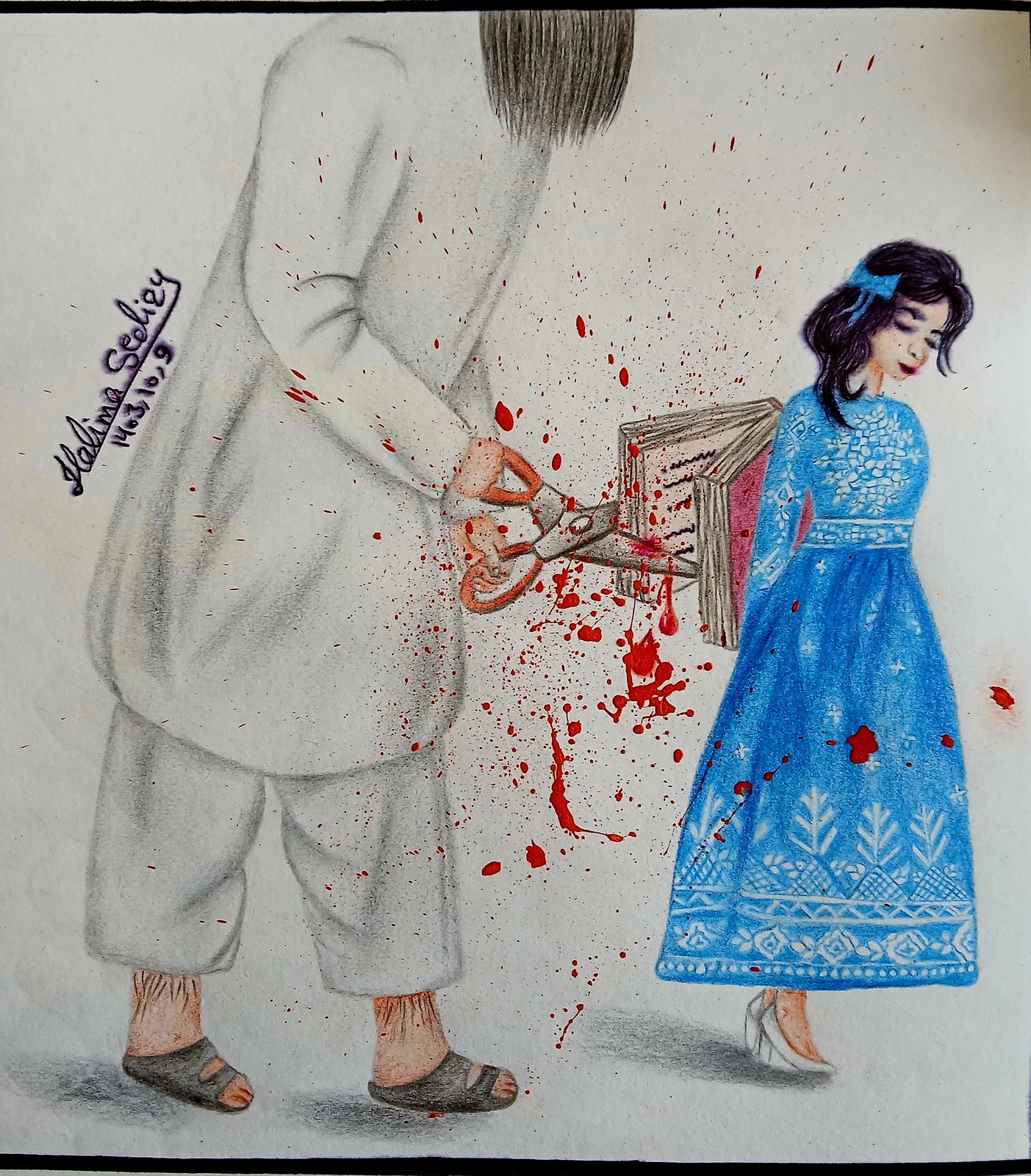
Because foreign embassies no longer process visas inside Afghanistan, scholarship recipients must travel to a third country to attend visa interviews, provide biometrics, and complete other consular requirements. Yet many cannot even begin that journey. They are often unable to travel alone from Afghanistan, even after receiving a visa, and traditional transit routes through neighboring countries such as Pakistan and Iran have become increasingly restricted or closed altogether. As a result, simply reaching a consular officer has become an enormous, and, for some, insurmountable, challenge.
The financial burden of this extra step is overwhelming. With most Afghan families already living below the poverty line, the cost of obtaining transit visas, international flights, and long-term accommodation is simply beyond their means. I know families who have made extraordinary sacrifices: borrowing money, exhausting their life savings, or selling their household belongings in the hope of giving their daughters a chance to pursue the education they have worked so hard to earn.
The tragic irony is that, for many of these students, the scholarship itself is fully funded, but the journey to claim it is not. In many cases, students receive little or no financial support from the universities that have admitted them to cover the costs of visa processing and travel. Moreover, without data on how many Afghan women receive scholarships compared with how many are actually able to enrol, the full extent of the access gap remains invisible.
Talented young women who have earned admission to universities in countries like Canada, Germany, India, Bangladesh, and Armenia are now watching their dreams slip away. They are not losing these opportunities because they lack talent, determination, or academic ability. They are losing them because they cannot afford to reach an embassy.
This is more than just a bureaucratic hurdle; it is the erasure of years of resilience, hope, and hard work. Every missed visa appointment can mean a forfeited scholarship, a deferred academic year, and the end of a journey that took unbelievable courage to start.
This is where the international community must step in. We need governments to create accessible pathways and adopt flexible visa policies for scholarship recipients. We need universities to stand by students they have admitted by offering flexible enrollment deadlines, deferrals where needed, and dedicated administrative support. We need international organizations and donors to provide emergency travel funding so these scholars can overcome the final barrier to beginning their studies. A woman’s education should never end because she cannot reach an embassy.
These scholars have already achieved what many believed was impossible. When they were denied access to classrooms, they built a digital underground of learning. They studied in secret under the constant threat of surveillance, uncertainty, and fear, through extraordinary determination and resilience, they earned places at some of the world’s leading universities. We cannot allow their futures to be determined by administrative barriers and border restrictions that are entirely beyond their control.
Helping these women claim the education they have already earned is about far more than academic opportunity. It is about upholding the fundamental right to education, advancing gender equality, and ensuring that Afghanistan does not lose a generation of talented young women whose knowledge and leadership will be essential to the country’s future.
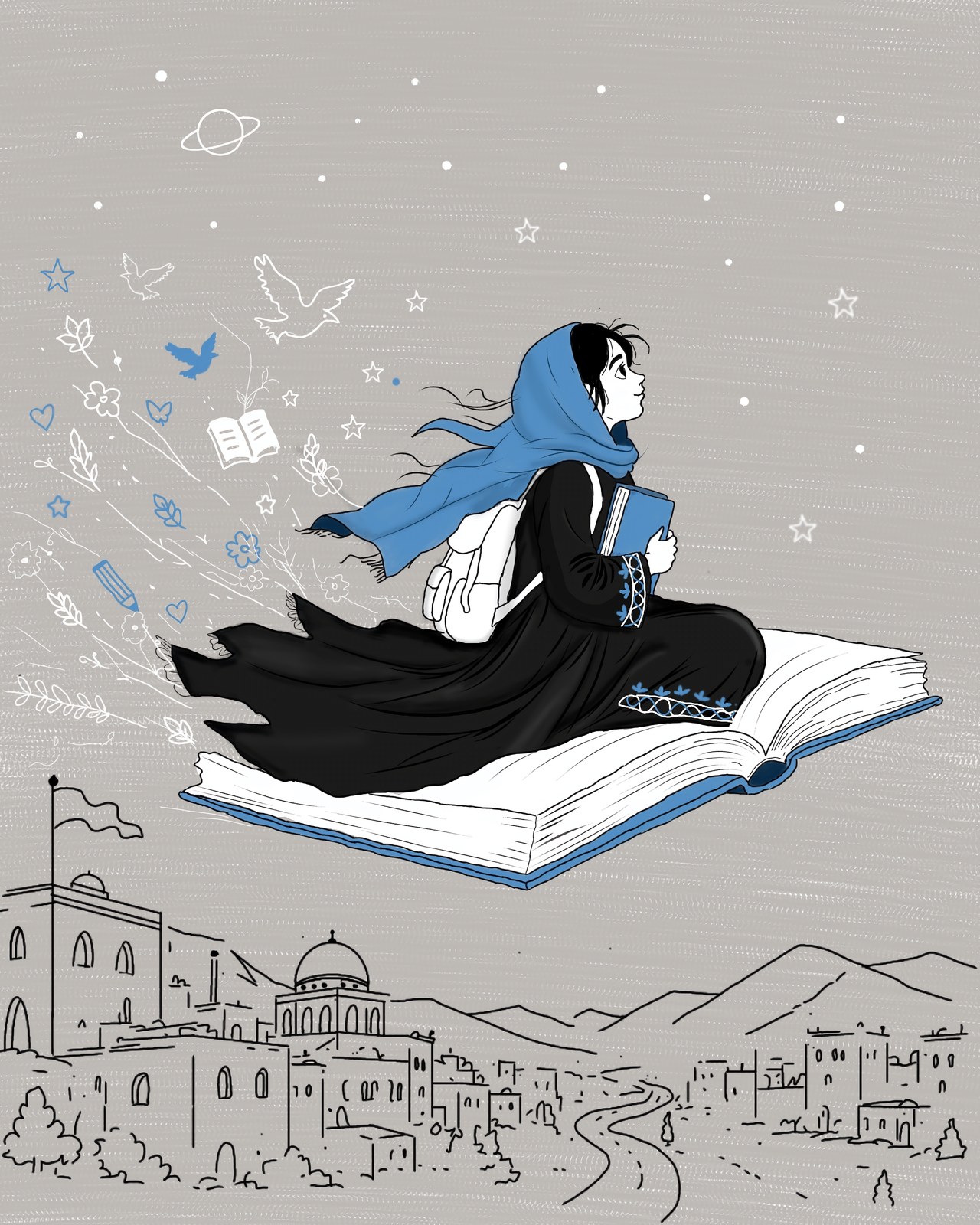
The following actions can help Afghan women scholars overcome the barriers preventing them from accessing the educational opportunities they have earned:
- Readers can start or join fundraising campaigns dedicated to covering Afghan women scholars’ visa application fees and travel costs.
- When engaging with universities, scholarship providers, or donors, advocate for every scholarship awarded to Afghan women to include funding for visa processing and travel costs.
- Contact universities that have admitted Afghan students and encourage them to offer deadline extensions or deferrals so that no student loses her place due to circumstances beyond her control.
- Call on policymakers to establish humanitarian visa pathways or temporary safe passage programs for Afghan scholarship recipients.
- Raise awareness by sharing the stories and urgent needs of Afghan women within your workplace, professional networks, and communities. Sustained public attention can help maintain pressure on institutions and governments to act, turning individual concern into collective action.
References
- UNESCO. Banned from Education: A Review of the Right to Education in Afghanistan. Paris: UNESCO, 2025. Accessed July 27, 2026. View source.
- Elena Ortiz et al. Women, Peace, and Security Index 2023/24: Tracking Sustainable Peace through Inclusion, Justice, and Security for Women. Washington, DC: Georgetown Institute for Women, Peace and Security and PRIO Centre on Gender, Peace and Security, 2023. Accessed July 27, 2026. View source.
- UN News. “Afghanistan: Taliban Rule Has Erased Women from Public Life, Sparked Mental Health Crisis.” August 13, 2024.